
History overview

A shoreline chronology shaped by weather, trade, and watchkeeping

Along the northern coast, lighthouse towers were never isolated monuments. They marked narrow channels, warned against shifting banks, and gave mariners fixed points when weather erased the horizon.

This page follows that long arc, then connects outward to the photo archive and the preserved towers map for deeper reference.
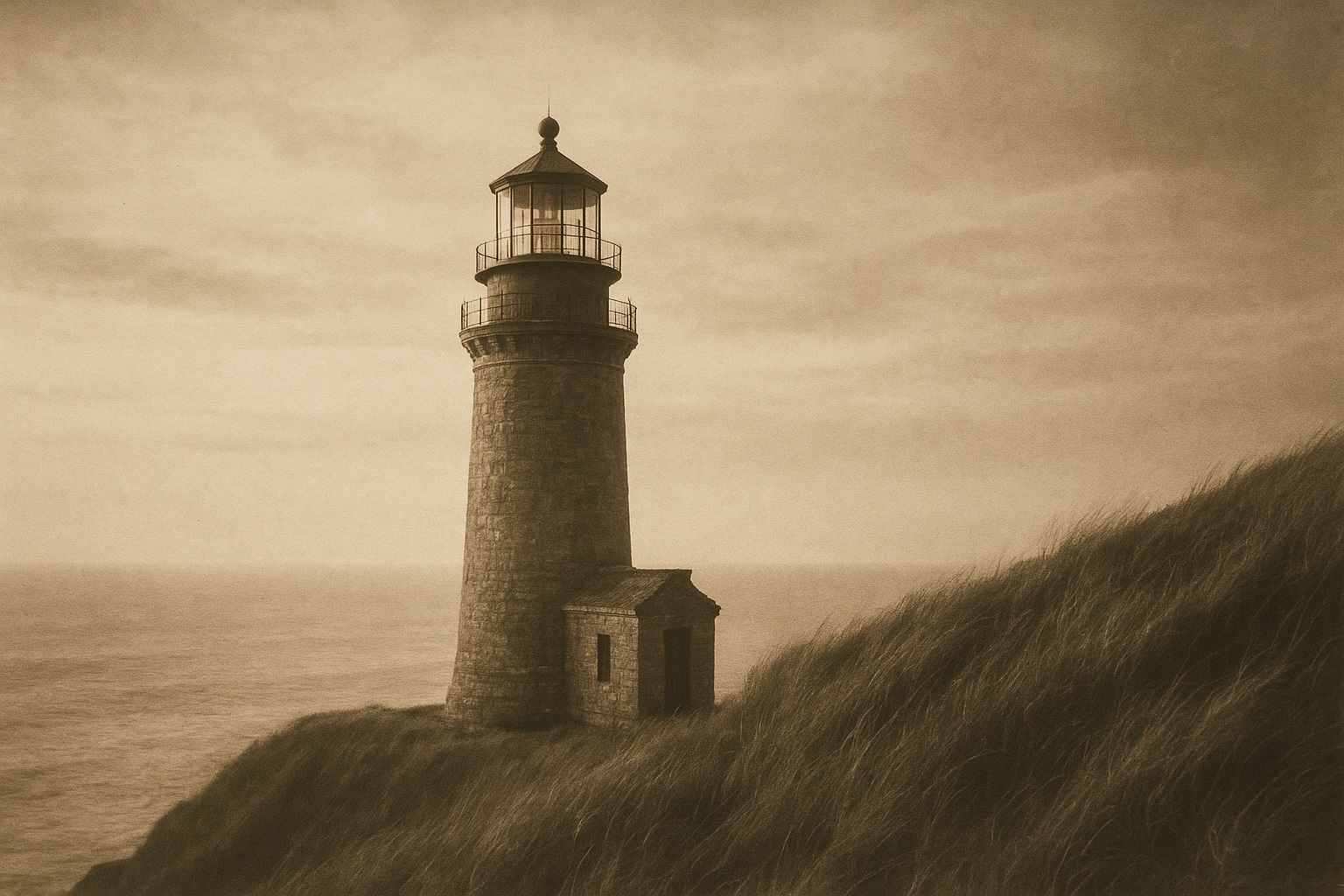
Sepia archival photograph of a stone lighthouse on a windswept northern coast bluff with soft film grain
Archival plate, northern coast survey collection, c. late 19th century.

Early construction and local stonecraft

Initial towers were built where small harbor economies could support maintenance, often with local masonry crews adapting designs to cliff erosion and winter freeze cycles.

Coastal trade and reliable night passage

As timber, fish, and coal routes intensified, lighthouse intervals became part of commercial planning, allowing captains to estimate position between headlands in poor visibility.

Changing navigational needs in the modern era

With electronic navigation, many lights shifted from primary guidance to heritage stewardship, yet their records remain essential for understanding maritime risk, settlement, and rescue history.
Chronology at a glance

Major eras in northern coast lighthouse history

A quick editorial timeline before the keeper narratives, arranged for fast scanning on any screen size.

  1. 1820s–1840s

    First stone beacons

    Early masonry towers were placed at dangerous headlands to give mariners a dependable fixed light.

  2. 1850s–1890s

    Expansion along the coast

    Additional towers formed a continuous chain of guidance as shipping routes and harbor traffic intensified.

  3. 1900s–1930s

    From oil flame to electric light

    Lens rooms and lamp systems were modernized, improving visibility and consistency during rough weather passages.

  4. 1940s–1960s

    Resilience through storms and conflict

    Keepers and local crews sustained operations despite wartime limits and repeated coastal storm damage.

  5. 1970s–present

    Preservation and automation

    Historic towers entered conservation programs while automated signals carried forward their navigational role.

Keeper stories

Lives kept in the margins of the logbooks

Along the northern coast, tower records preserve dates and weather, but family notes reveal the rhythm of lived days. These short accounts add that human perspective to the historical record.

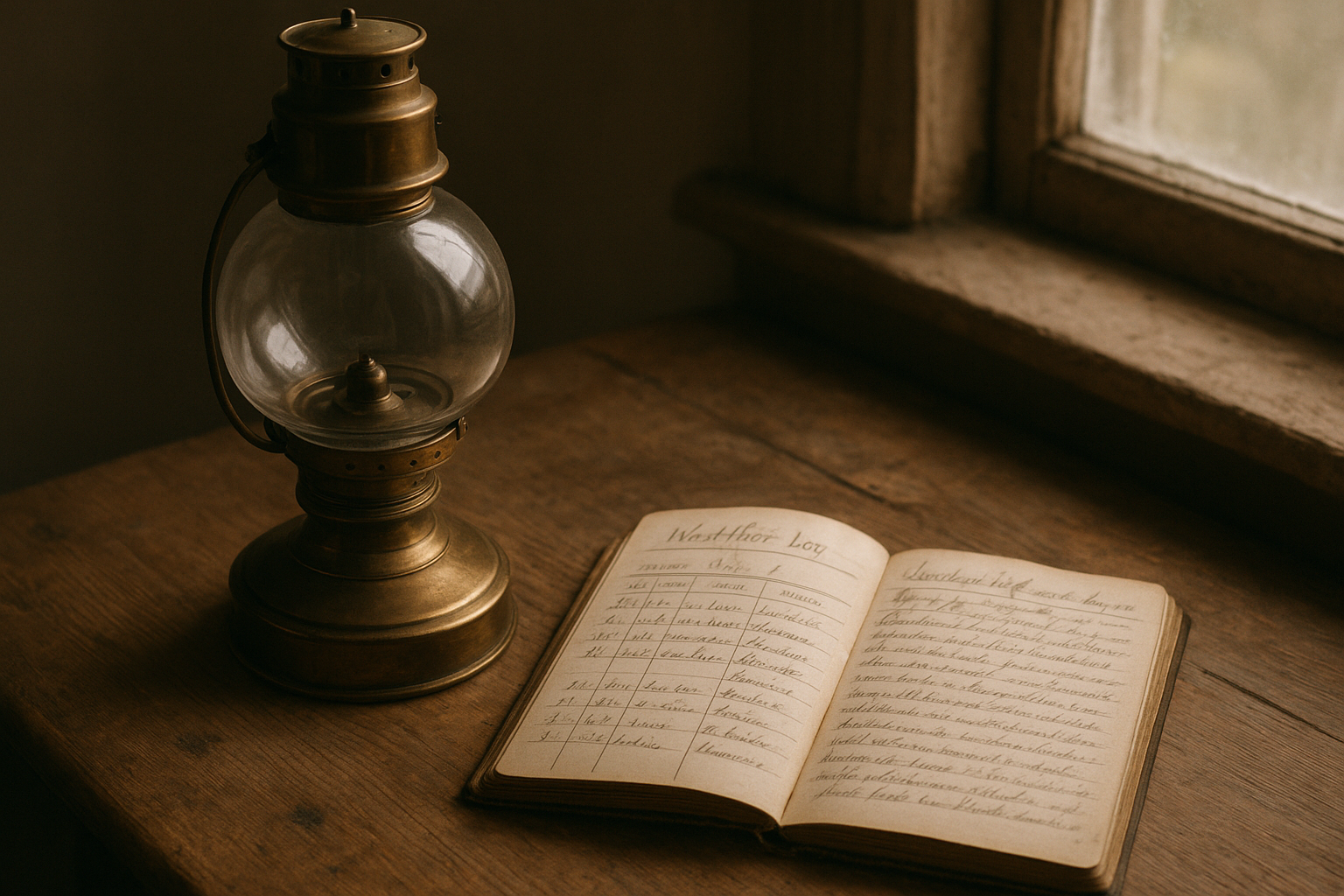
Glass lantern and oil lamp on a wooden table beside a handwritten weather log

Night Watch at Grey Shoal, 1912

When Atlantic squalls pressed against the lantern room, keeper Elias Morrow logged wind direction every half hour while his daughter refilled the warming stove below. In his notes, the same line appears for weeks: “light clear at first bell,” a practical phrase that quietly carried the family’s pride in keeping the coast visible.

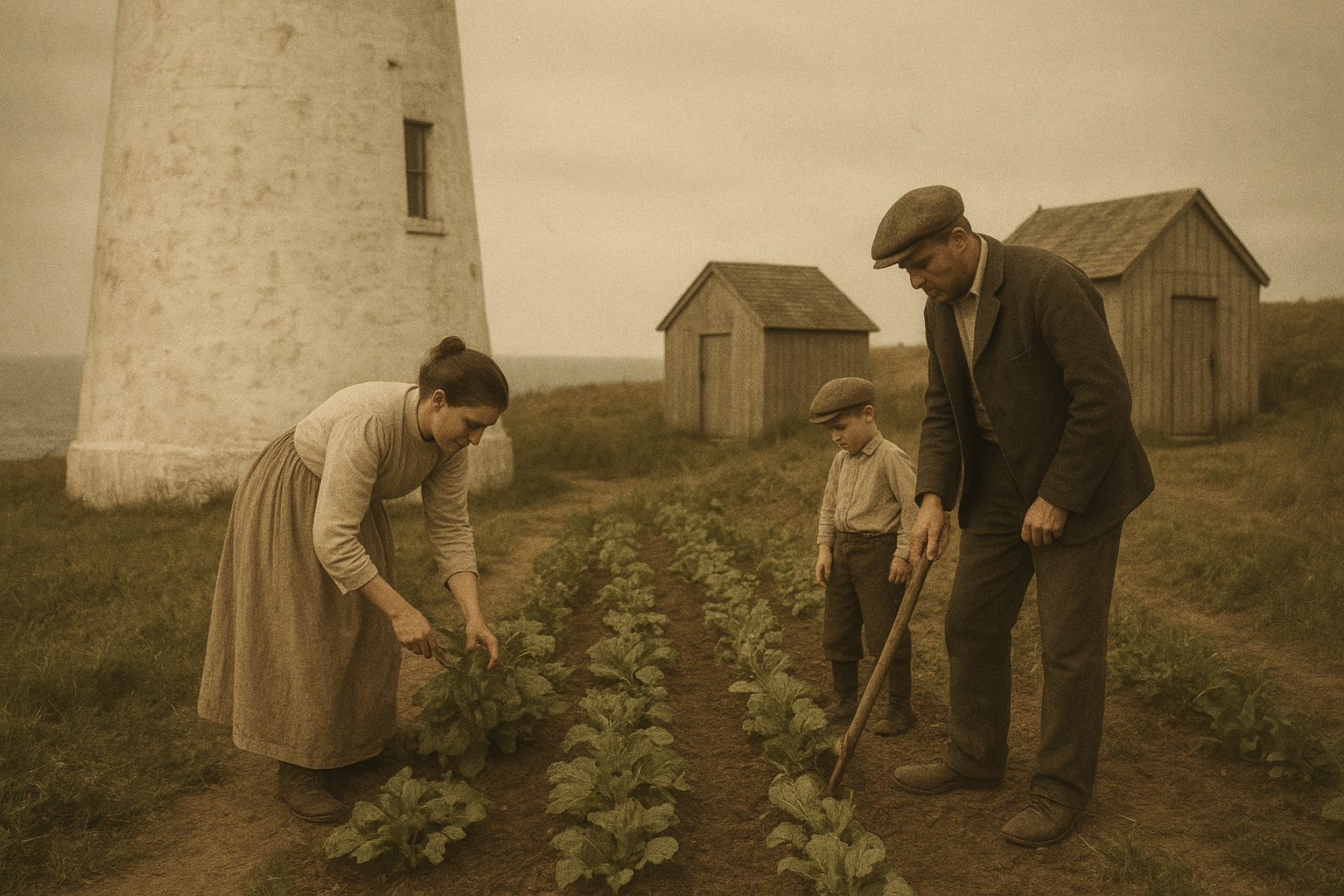
Keeper family tending a small garden patch beside a whitewashed lighthouse wall

Harbor Point Garden Plots, 1936

At Harbor Point, the Kelleys kept two narrow plots between foghorn sheds, growing potatoes and kale to stretch winter stores. School ledgers mention the children walking down with lunch pails at noon, and tower maintenance receipts show Mrs. Kelley purchasing paint brushes as often as lamp wicks, evidence of a household where care of home and beacon overlapped each day.

Fountain pen, folded family letters, and station ledger on a weathered oak desk

Letters from North Reach, 1951

Several winter letters from keeper Nora Lind describe waiting for supply launches delayed by ice and reading last month’s newspapers aloud in the evening. Her entries are measured rather than dramatic—coal counts, lantern cleaning, one line about gulls at dawn—yet together they show how routine and endurance shaped the station as much as storms did.

Explore the archive